the curious incident of the dog in the night-time
Additional Information
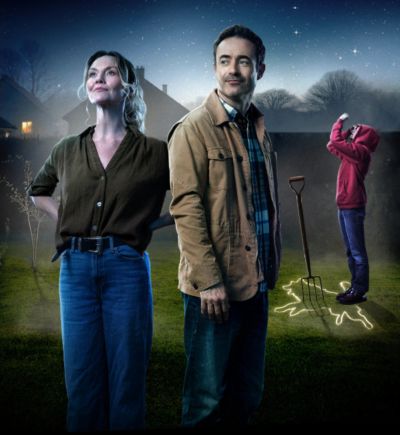
I was invited to act as an autism consultant for Birmingham Rep’s new production of The Curious Incident of the Dog in the Night-Time. The production reimagines the central character as a teenage girl and seeks to reflect contemporary understandings of neurodiversity.
Drawing on my research into autism in women and girls, alongside my lived experience as a late-diagnosed autistic woman, I advised on autistic presentation, character authenticity and representation. My role involved supporting the creative team in developing a nuanced portrayal that reflected the diversity of autistic experience and challenged assumptions based on traditionally male-centred narratives.
The production programme also featured an interview with me, written by Diane Garner, discussing autism in women and girls, contemporary understandings of neurodiversity, and the importance of authentic representation in theatre.
This consultancy reflects my wider work at the intersection of autism research, lived experience and public engagement, supporting organisations and creative practitioners to develop more informed and inclusive approaches to neurodiversity.
'The production team has also worked with Dr Sarah Jane Nuttall, a postdoctoral researcher specialising in autism in women, in its efforts to approach the character with authenticity and care.'
'The involvement of experts like Dr Sarah Jane Nuttall and the value of Keenan’s own lived experience is also palpable, creating a genuine sense of authenticity that previous productions may have lacked.'
Site Content
March 2025
Online CPD for tutors
I delivered an hour-long CPD session, including a Q&A, for tutors at Manchester Metropolitan University exploring how autism may present in student teachers and discussing effective support strategies.
Following this, I co-developed two online CPD modules for school-based mentors with my colleague, Dr Zoë Crompton.
Collab with Jess telling and chameleon
Representation Matters
I recently collaborated with the talented Jessica Telling, writer and director of Chameleon, an autistic-led theatre production that draws from her lived experience of masking, relationships, and navigating the world as an autistic woman. After the production's successful run at The Glitch Theatre in London, I designed and analyzed audience feedback research focused on accessibility for neurodivergent theatre-goers, as well as their responses to the representation of autistic women and other neurodivergent individuals. This collaboration also included insights from our autism workshops, which emphasized the importance of creative writing for autism as a form of expression. The project culminated in the publication of a peer-reviewed journal article, Misinformation, Misattunement, and Autistic Theatre: Representation, Access, and Cultural Harm, co-authored with Jessica and published in Ought: The Journal of Autistic Culture. This research further enhances our neurodivergent consultancy efforts aimed at improving accessibility in the arts.
Nuttall, S.J. and Telling, J. (2026) ‘Misinformation, misattunement, and autistic theatre: Representation, access, and cultural harm’. Ought: The Journal of Autistic Culture, 7(2), pp. 68–80. https://scholarworks.gvsu.edu/ought/vol7/iss2/8/

kyra women's project 2025-2026
Exciting project
At Kyra Women's Project, I developed and facilitated a series of creative writing courses for late-diagnosed neurodivergent women and non-binary people, focusing on autism workshops. Through one eight-week in-person program and two subsequent online courses in creative writing for autism, participants used storytelling, memoir, and creative reflection to process their experiences. This culminated in the production of a collective anthology celebrating diverse neurodivergent voices.
Testimonials
'I learned more in an hour and a half than in the past 64 years about how to write creatively. Sarah explained things in an engaging way and gently encouraged participation. It lead to me discovering a creative side and the ability to express myself through writing, something that I never knew or believed I had or was possible.'
'The course had a positive impact on my life and provided a way to express feelings that I couldn't articulate. It helped me focus on positive grounding aspects by finding ways to write about them.'
'It’s made me feel more positive about my brain and being part of the group more accepting of my neurodiversity.'
'Recognising things in myself that I shy away from, and confronting them.'
'A significant step towards self-acceptance and exploring my neurodivergent consultancy.'
Is there anything you would change or improve for next time?
'I’d just like the group to carry on : )'
'More time? So there's more room for in-depth discussions after the writing.'

MMU guest lectureS: speech and language therpay
Neurodiversity- affirming
I am a regular guest lecturer on the Speech and Language Therapy programmes at Manchester Metropolitan University, delivering annual sessions tailored separately for undergraduate and postgraduate students. In my autism workshops, I draw on my lived experience as an autistic woman and my academic research to explore topics including autistic communication, diagnosis, masking, identity, and the diverse ways autism presents across genders and life stages. My aim is to help future practitioners develop a deeper, more nuanced understanding of autistic experience and neurodivergence by promoting neurodiversity-affirming practices.
online zoom presentation, 10 APRIL 2024
Wonderful uptake
Thank you so much to Manchester Metropolitan University for hosting me. I had a warm welcome and look forward to working with MMU again on future autism workshops. The event sold out, which is a testament to the need for this kind of outreach work, including creative writing for autism initiatives. The online chat was supremely helpful and supportive, with people sharing valuable advice and resources related to neurodivergent consultancy. This is what it is all about!
online zoom presentation, 20 february 2024
Home comforts
This was a presentation delivered from the comfort of my own sofa, dressed in pyjamas and wrapped in a blanket. The lovely people who logged in further enhanced my comfort, especially those interested in our autism workshops. A special shout out and thank you to Dr. Zoe Crompton for ensuring the IT ran smoothly and fielding questions. Your support made discussing creative writing for autism and neurodivergent consultancy so much easier. Thank you to everyone who joined us!
presentation at house of books and friends, 7 february 2024
Fantastic venue, lovely audience
This time I delivered my presentation in a beautiful bookshop on King Street in Manchester, which is not only a lovely setting with dark wood and dimmed lights but also a fantastic venue for autism workshops. I was even more excited because I was sitting in the chair that Miriam Margoyles had used for a recent book signing!
As ever, the audience was supportive, and we shared our stories and advice after the presentation, especially around topics like creative writing for autism. Books from my recommended reading list were available to purchase, making it easy for everyone to dive deeper into their interests. I would highly recommend the bookshop and staff, particularly as an autism-friendly environment for all. Don’t forget to check them out on Instagram: https://www.instagram.com/houseofbooksandfriends?utm_source=ig_web_button_share_sheet&igsh=ZDNlZDc0MzIxNw==
TRAINING AT HUNSLET CARR PRIMARY, 8 JANUARY 2024
A Warm Welcome
I was invited to Hunslet Carr Primary School in Leeds, where I delivered an hour's training session as part of my autism workshops, focusing on spotting autism in girls. The staff were appreciative, hardworking, and committed to raising awareness of how autism presents differently in girls. Additionally, I emphasized the importance of creative writing for autism as a valuable tool in supporting neurodivergent students.
Talk at leeds beckett university, 12 december 2023
A Fantastic Evening
I shared my story as a late-diagnosed autistic woman during one of the autism workshops, along with a lecture on how autism presents differently in women and girls. The audience was incredibly supportive and knowledgeable themselves. Spreading the word, sharing experiences, and offering advice is what it's all about, empowering one another to discover our authentic selves. I also emphasized the importance of initiatives like creative writing for autism and neurodivergent consultancy in fostering understanding and connection.

LUNCHTIME PRESENTATION at ROLLS-ROYCE SMR SEPTEMBER 2023
An Amazing Uptake
During a presentation aimed at engineers, I received a warm response from both those who attended in person and those who participated via phone in a voluntary lunchtime meeting. Following the session, I was available for one-on-one discussions, which allowed for deeper engagement. The female engineers found plenty to contemplate, and partners and parents also valued the opportunity to listen and share insights, especially regarding topics from our autism workshops, as well as the benefits of creative writing for autism and neurodivergent consultancy.